Older architecture throughout Boston features native, rough-sawn structural framing that remains particularly vulnerable to anobiid powderpost beetles, which thrive in ambient wood moisture levels above 12%. In…
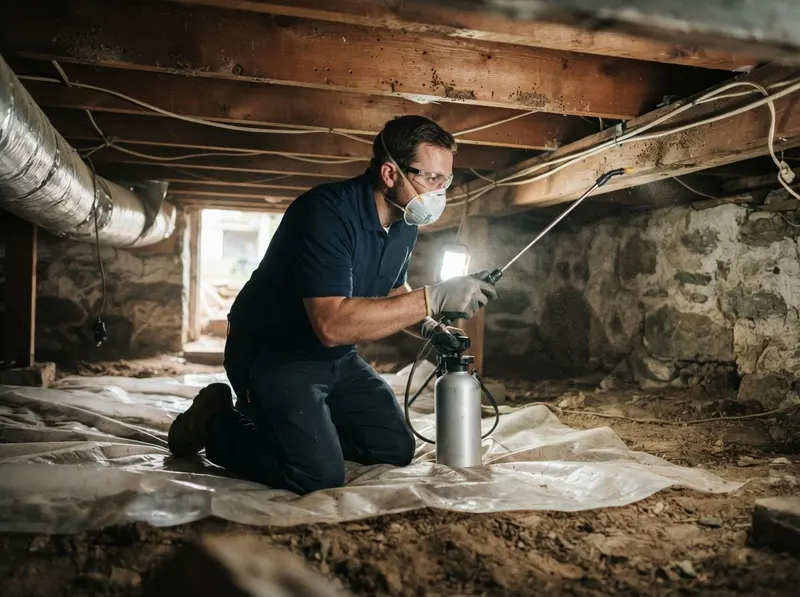
Older architecture throughout Boston features native, rough-sawn structural framing that remains particularly vulnerable to anobiid powderpost beetles, which thrive in ambient wood moisture levels above 12%. In multi-family homes in Dorchester, fieldstone crawlspaces in Jamaica Plain, and unheated attics in Charlestown, persistent humidity combines with uninsulated timbers to allow larvae to chew interior wood matrix for 2 to 5 years before emerging. Kervano Pest Specialists targets these active infestations using therapeutic borate salts that diffuse directly into the cellulose, eradicating feeding larvae and preventing re-infestation without releasing airborne synthetic solvents into the family living space.
Powderpost beetle control differs significantly from standard subterranean termite treatments. Termites enter buildings from outdoor subterranean soil colonies, whereas powderpost beetles live their entire destructive larval phase sealed inside the structural timbers themselves. A home requires localized timber treatment if structural beams show 1/16-inch to 1/8-inch round exit holes accompanied by piles of flour-soft, talc-like frass on subfloors or basement ledges. If timber surfaces display ragged, mud-packed channels, the issue is termite damage. Addressing powderpost beetles requires direct liquid mineral penetration into the timber grain rather than peripheral exterior foundation soil trenches.
The remediation sequence follows three mechanical phases to guarantee structural integrity across Suffolk County residences. First, technicians map active exit holes and measure core timber moisture using invasive pin probes, establishing whether moisture drops below the 12% reproductive threshold. Second, framing surfaces receive HEPA filtration extraction to clear historical powder deposits, establishing a clean baseline for future monitoring. Third, crews apply an EPA-registered borate solution directly to all accessible unfinished joists, sill plates, and roof rafters. The trade-off involves chemical cure time versus ambient humidity: homes in riverfront or coastal zones such as South Boston or North End may require secondary mechanical dehumidification to draw structural wood below 12% moisture to achieve complete larval eradication.
Every job gets a firm, written price after a free on-site visit.
Tell us about your crawlspace and attic powderpost beetle remediation job in Boston and we'll send a clear, written quote, usually the same day.
 Kervano Pest Specialists