Securing an authoritative pest control service in Boston requires a dual technical focus on direct colony eradication and permanent physical architectural exclusion to safeguard regional residential properties against chronic pest pressures. From the historic fieldstone rubble foundations of Beacon Hill to the classic wooden triple-deckers across Dorchester and Jamaica Plain, local residential structures face persistent seasonal rodent activity, subterranean termites, and dense-living bed bug infestations.
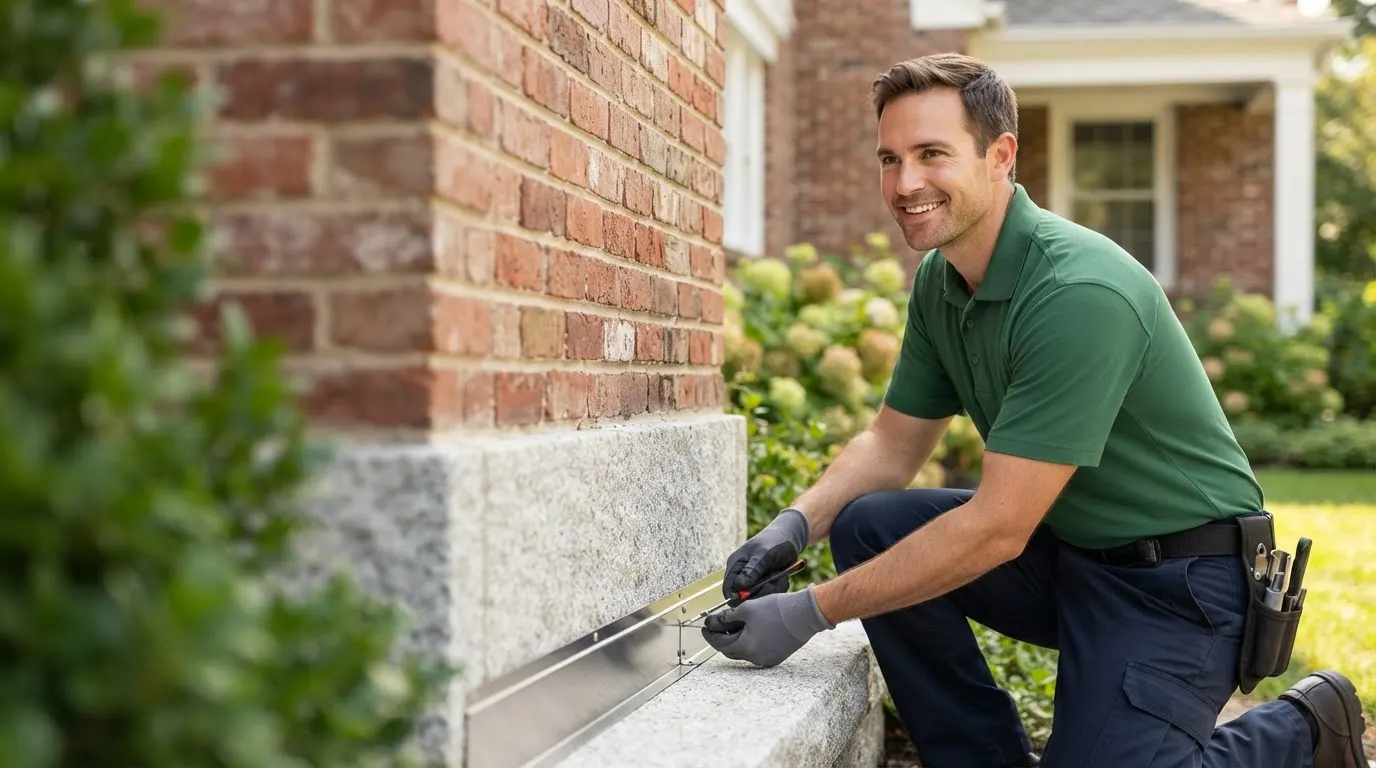
Pest control service in Boston is a structural eradication and preventive exclusion discipline that eliminates active insect and rodent colonies from historic and modern buildings while reinforcing exterior architectural vulnerabilities against seasonal re-entry.
Every service reflects the same meticulous attention to detail, whether it's a single job or a larger pest control sevice project across Boston.
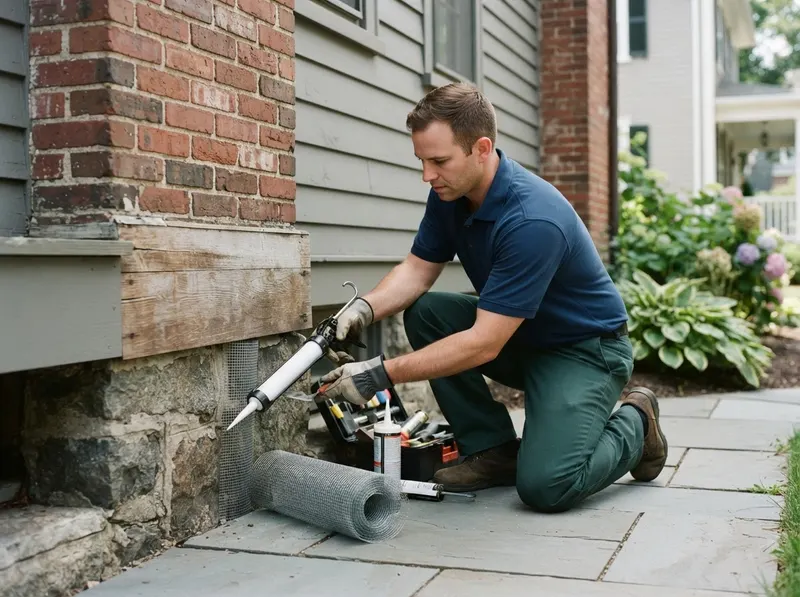
Architectural sealing of granite foundations, crawlspace utility penetrations, and historic masonry gaps using galvanized steel mesh, copper mesh, and hydraulic cement to permanently prevent Norway rats and house mice from entering living quarters. Technicians systematically inspect ground-level foundation perimeters, bulkhead doors, sill plate transitions, and utility pipe entries. Damaged mortar is repointed, quarter-inch openings are mechanically bridged with heavy-gauge hardware cloth, and interior snap-trap arrays are deployed in non-living structural voids to capture lingering rodents, ensuring immediate population removal without reliance on toxic indoor baits that risk decomposing carcasses behind drywall.
Get a quote →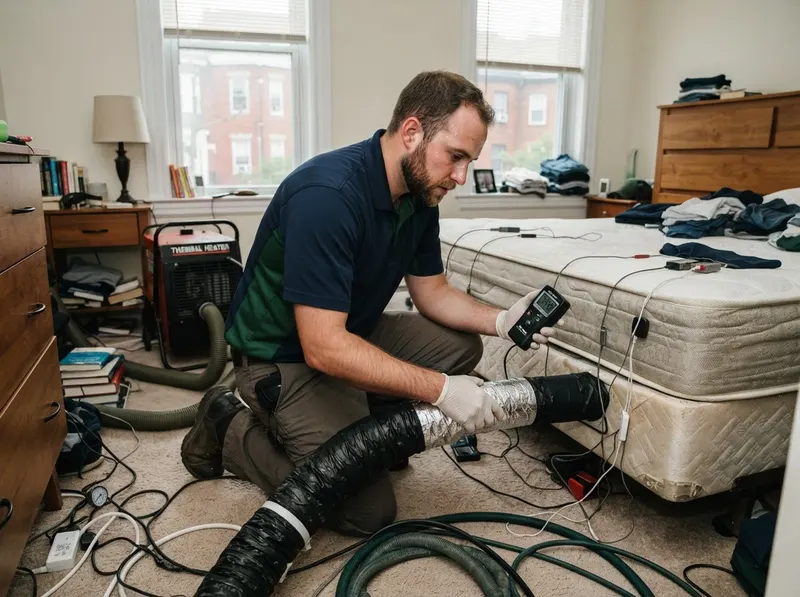
Targeted high-temperature convective heat treatments elevating indoor structural zones between 120°F and 135°F to eliminate adult bed bugs, nymphs, and eggs concealed within wall cavities, mattress seams, and hardwood flooring in a single operational cycle. Industrial electric heaters and high-velocity circulation fans distribute dry heat into deep furniture crevices, behind baseboards, and through floorboard subsurfaces where chemical sprays cannot reach. Wireless thermal sensors monitor ambient and surface temperatures continuously to guarantee lethal thermal penetration without damaging household electronics, furnishings, or structural finishes, followed by targeted amorphous silica dust applications along perimeter baseboards for lasting barrier defense.
Get a quote →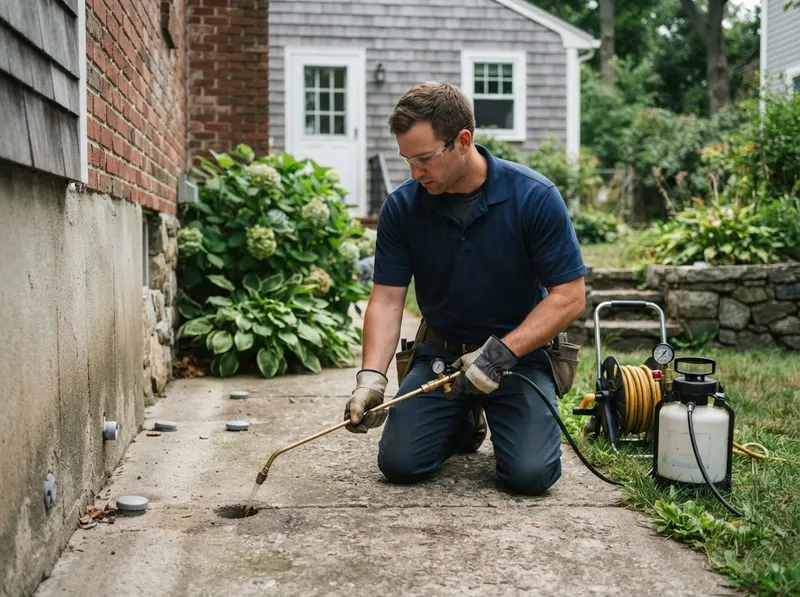
Precision trenching, non-repellent liquid soil barrier injections, and subterranean monitoring station networks designed to intercept Reticulitermes flavipes before colonies compromise structural sills and historic framing timbers. Soil adjacent to exterior foundation walls is trenched and treated with advanced non-repellent termiticides that foraging termites unknowingly transfer throughout the entire subterranean nest. In finished basements and attached slab porches, technicians execute precision sub-slab drilling through concrete at twelve-inch intervals to inject protective chemical zones down to structural footings, paired with exterior tamper-resistant monitoring stations installed at ten-foot intervals around the structural footprint.
Get a quote →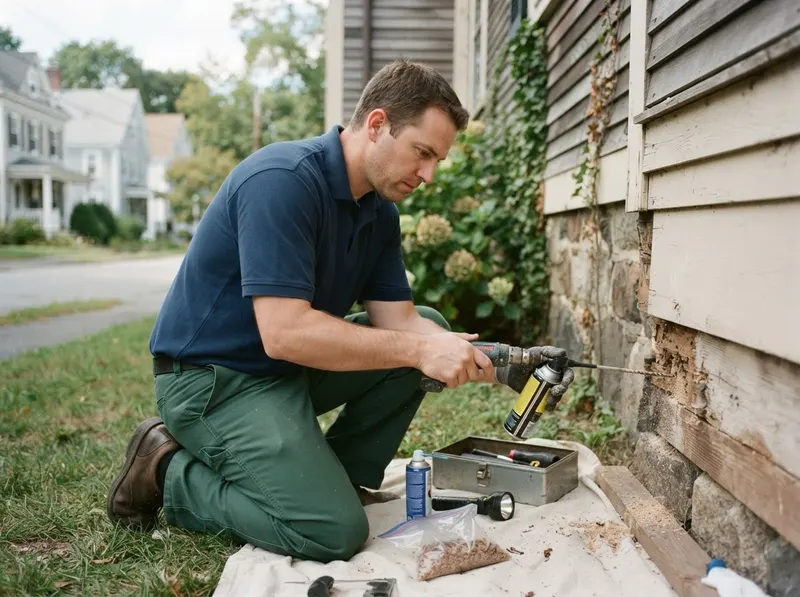
Detection and void-injection eradication targeting satellite and parent carpenter ant colonies excavating damp structural wood framing, window lintels, and roof flashing transitions. Technicians utilize acoustic and thermal tracking instruments to pinpoint active nesting galleries inside moisture-compromised rim joists, porch framing, and bathroom subflooring. Precision micro-drilling allows the direct injection of non-repellent aerosol or dust formulations directly into the core gallery, eradicating the reproductive queen and worker caste, followed by exterior perimeter trunk and foundation spray barriers using insect growth regulators to disrupt exterior foraging trails from neighboring tree canopies.
Get a quote →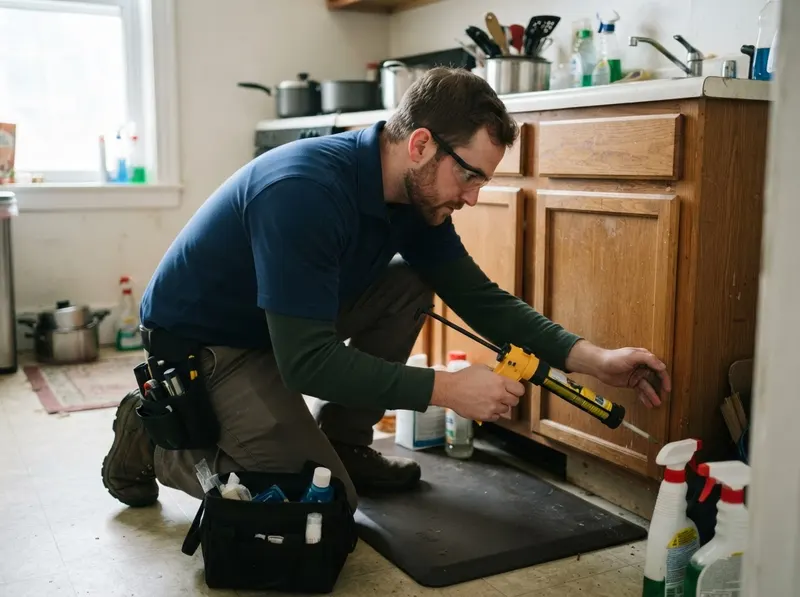
Systematic insect growth regulator (IGR) applications, targeted bait matrices, and harborage sealing to break the reproductive cycles of German and American cockroach populations in high-density residential kitchens and plumbing chases. Non-repellent gel baits containing hydramethylnon or indoxacarb are deployed in minute, tamper-resistant placements beneath appliances, around electrical junction enclosures, and inside vertical plumbing chases where roaches congregate. High-efficiency particulate air (HEPA) vacuuming physically reduces heavy initial populations and removes allergenic frass, while insect growth regulators inhibit juvenile molting and egg viability to prevent generational rebound in multi-unit buildings.
Get a quote →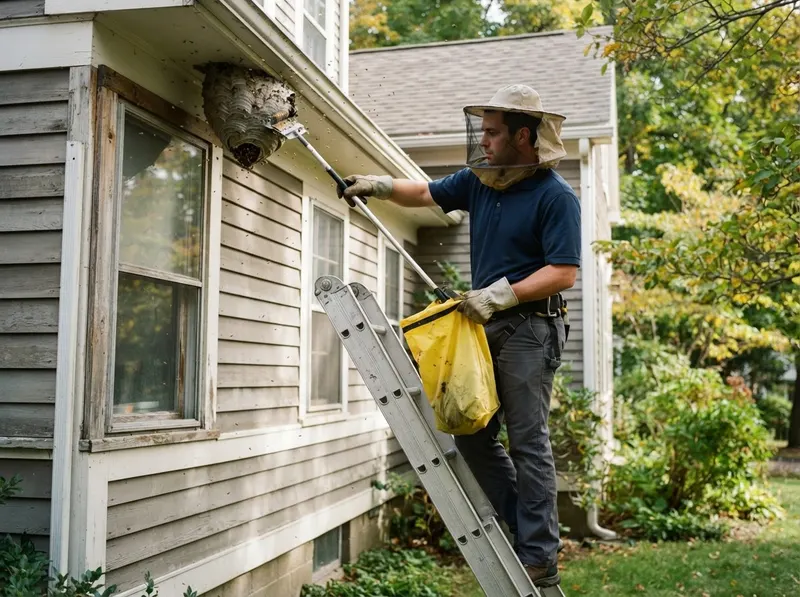
Direct mechanical removal and localized elimination of bald-faced hornet, paper wasp, and yellow jacket nests established under roof eaves, bay window overhangs, exterior masonry recesses, and structural porches. Technicians arrive equipped with protective bee suits, telescoping application lances, and fast-acting pyrethroid freeze compounds or pressurized insecticidal dusts that neutralize aerial nests safely from ground level. Once worker flight activity ceases, the physical nest is detached, scraped clean, and removed from the property, followed by the application of an exterior residual repellent to the anchor site to deter returning foragers and prospective foundress queens from re-establishing nests.
Get a quote →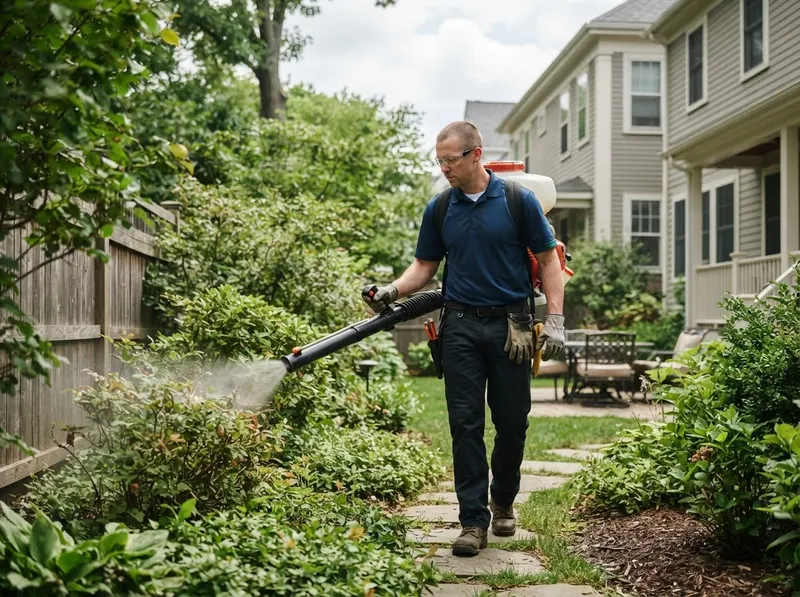
Targeted perimeter barrier applications directed at shade canopies, leaf litter perimeters, and underbrush edges to suppress blacklegged ticks and resting adult mosquito populations in residential yards and garden corridors. High-pressure backpack mist blowers apply micro-encapsulated synthetic pyrethroids or concentrated essential botanical oils to the undersides of dense ornamental foliage, property borders, groundcover plantings, and shaded brush corridors where vector insects harbor during daylight. Standing water catchments are treated with biological Bacillus thuringiensis israelensis (BTI) dunks to destroy mosquito larvae, reducing seasonal vector threats.
Get a quote →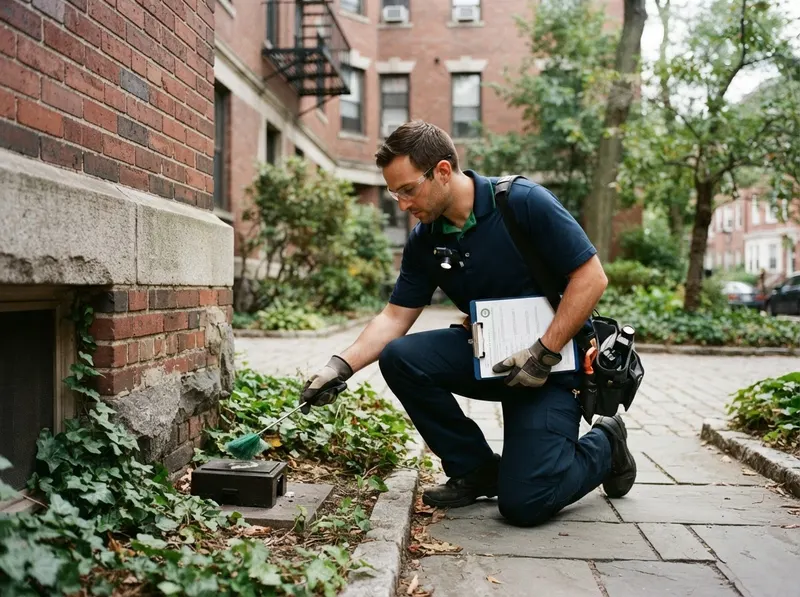
Quarterly preventative inspections, shared-wall pipe chase treatments, and common-area monitoring tailored for triple-decker apartment buildings and multi-family brownstone associations. Routine service visits encompass comprehensive crawlspace evaluations, boiler room rodent monitoring, mechanical trash storage sanitation reviews, and perimeter exterior barrier upkeep. Dedicated technician logbooks document specific apartment unit histories, enabling early containment of localized pest spikes before pests traverse plumbing chases into neighboring units, ensuring landlord compliance with municipal housing codes.
Get a quote →You get a firm, itemized quote for your pest control sevice before any work begins, no surprises, no pressure.
Careful prep, tidy work, and a full cleanup when we are done. We treat your home and belongings like our own.
The same trusted, background-checked team from the first call to the final check.
Selecting an appropriate pest management protocol depends on the specific biological pest vector, structural construction type, and speed of infestation spread throughout the property. If you are managing an acute indoor rodent infestation in a historic brick-and-beam brownstone or multi-family home, choose comprehensive physical exclusion paired with interior mechanical trapping rather than relying strictly on rodenticides. Traps confirm eradication through physical removal and cataloging, while masonry-grade stainless steel exclusion seals the quarter-inch foundation crevices where rodents enter from street subgrades.
Conversely, relying on rodenticide alone leaves unsealed structural breaches and risks carcasses decomposing inside inaccessible wall cavities, creating severe secondary odor and dermestid beetle infestations. If you are dealing with localized stinging insect nests or seasonal perimeter ant foraging along porch pilings, select exterior perimeter micro-barrier applications and direct nest neutralization rather than broad interior chemical spraying. This halts the outdoor worker population before moisture foraging reaches interior baseboards, saving you the disruption and expense of structural drywall drilling and void dusting.
If you face a confirmed or suspected bed bug infestation within high-turnover multi-family housing near university corridors, choose whole-room structural heat treatment over multiple spot-chemical treatments. Thermal remediation elevates room temperatures between 120°F and 135°F to eliminate all lifecycle stages, including desiccation-resistant eggs, in a single operational cycle of eight hours. In contrast, chemical-only methods require multiple prep cycles, occupant disruption over 30 to 60 days, and carry higher rates of pesticide resistance among modern Cimex lectularius strains.
For subterranean termite activity near Atlantic coastal water tables, select targeted subterranean non-repellent liquid soil barriers paired with monitored bait stations instead of localized spot foam treatments. Liquid barriers establish a continuous chemical zone around fieldstone or poured concrete footings to intercept underground foraging workers, whereas spot foaming provides only temporary wood surface suppression while leaving the subterranean colony intact beneath the grade. The operational trade-off across these approaches balances upfront diagnostic and labor investment against recurring treatment timelines: specialized mechanical exclusion and thermal interventions require higher immediate preparation, physical building access, and focused labor, but they deliver permanent structural security and prevent continuous chemical re-application cycles.
Every project gets a firm, written price after a free on-site visit. Ranges below for orientation.
Tell us about your pest control sevice job and we'll send a clear, written quote, usually the same day. Or just call and talk to a real Boston pro.
(857) 737-8398
Boston’s distinct residential architecture presents specialized structural pest vectors, notably where 19th-century fieldstone foundations meet modern sub-grade utilities near the high water table of Boston Harbor, the Charles River basin, and the historic tidal marshlands of the Back Bay Fens. Subterranean Norway rats exploit century-old brick sewer lines and deteriorating rubble masonry walls in historic neighborhoods like the North End, Charlestown, and Beacon Hill. These environments require heavy-gauge steel hardware cloth, metal lath, and expanding hydraulic masonry sealants rather than standard polyurethane foam or plastic barriers that rodents readily gnaw through. In dense wooden triple-deckers throughout Dorchester, Roxbury, and South Boston, vertical plumbing stacks and uninsulated balloon-frame construction create natural thermal corridors, allowing mice and German cockroaches to travel unobstructed between three finished floors within hours. Furthermore, proximity to dense green corridors like the Arnold Arboretum, the Rose Kennedy Greenway, and the Southwest Corridor Park channels seasonal carpenter ant migrations into older post-and-beam structures whenever late-spring moisture softens structural wall sills and decorative exterior trim. In student-dense neighborhoods such as Allston and Brighton, the annual September move-in turnover along Commonwealth Avenue and Harvard Avenue accelerates cross-property bed bug transmission, requiring proactive whole-room thermal remediation rather than ineffective surface spray cleanouts that merely disperse insects across party walls.
Free estimates for Boston & the surrounding area.
 Kervano Pest Specialists